
Exploring the Benefits of 360-Degree Video Production Using Drones


Introduction to 360-Degree Video Production
With the rapid advancement of technology, 360-degree video production has become a game-changer in the world of visual content. By offering an immersive experience, it allows viewers to explore and interact with videos in a way that traditional formats simply cannot match. Among the most exciting developments in this field is the use of drones to capture breathtaking 360-degree footage.
Drones equipped with 360-degree cameras have opened up new possibilities for filmmakers, marketers, and content creators. They provide the ability to capture stunning aerial views and dynamic scenes from unique perspectives. This blog post will explore the benefits of using drones for 360-degree video production.
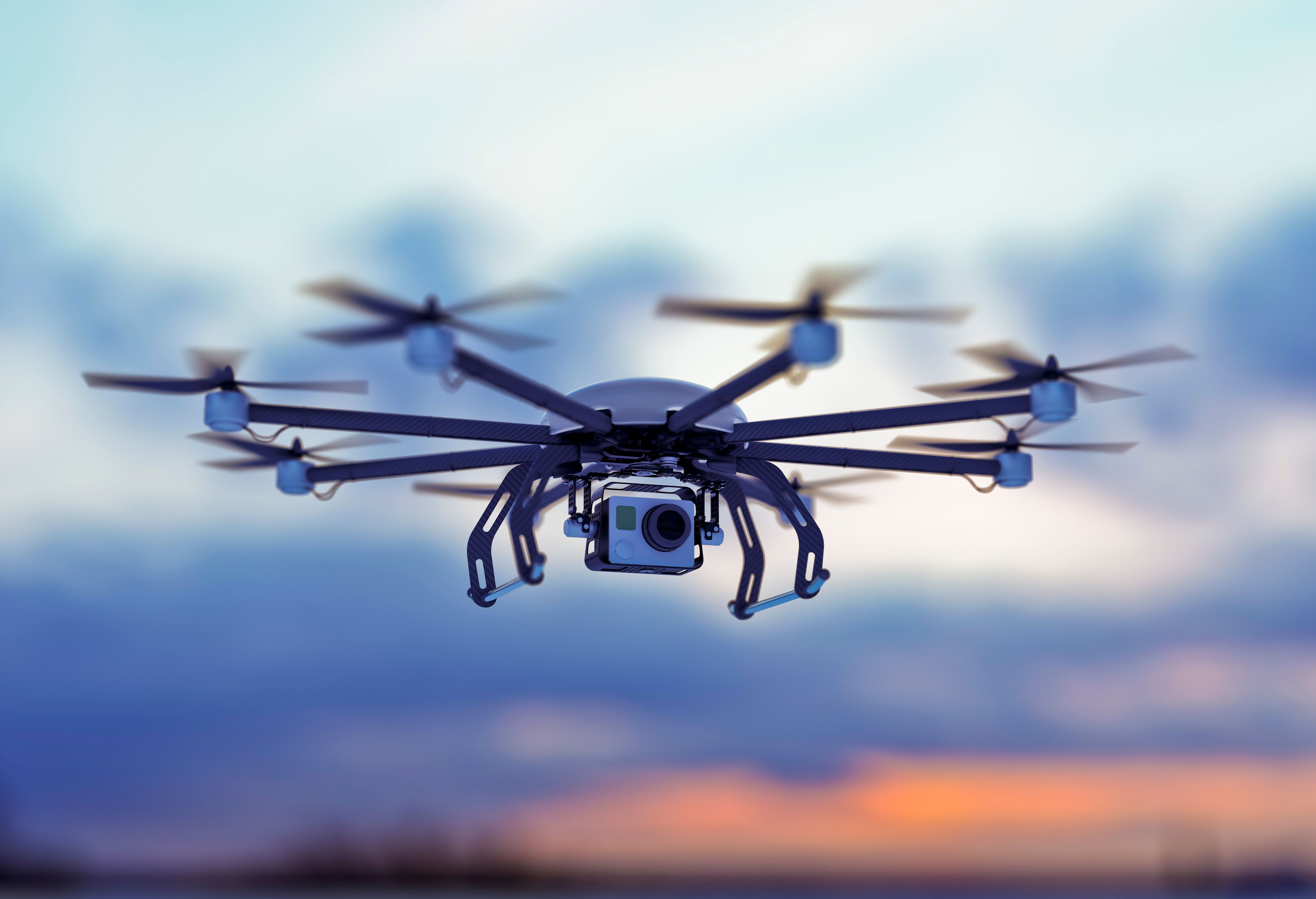
Enhanced Viewer Engagement
One of the primary benefits of 360-degree video is the enhanced viewer engagement it offers. Unlike traditional video, 360-degree content allows viewers to control their perspective, offering an interactive experience. This can lead to longer viewing times and a higher level of interest from the audience.
By using drones, creators can capture expansive landscapes and intricate environments, inviting viewers to explore every angle. This immersive experience can be particularly effective for industries such as tourism, real estate, and event marketing, where showcasing the environment plays a crucial role.
Cost-Effective Production
While 360-degree video production may seem complex and costly, drones have made it more accessible. Drones are relatively affordable compared to traditional methods of capturing aerial footage, such as helicopters or cranes. This cost-effectiveness allows smaller businesses and independent creators to leverage the power of 360-degree videos without breaking the bank.
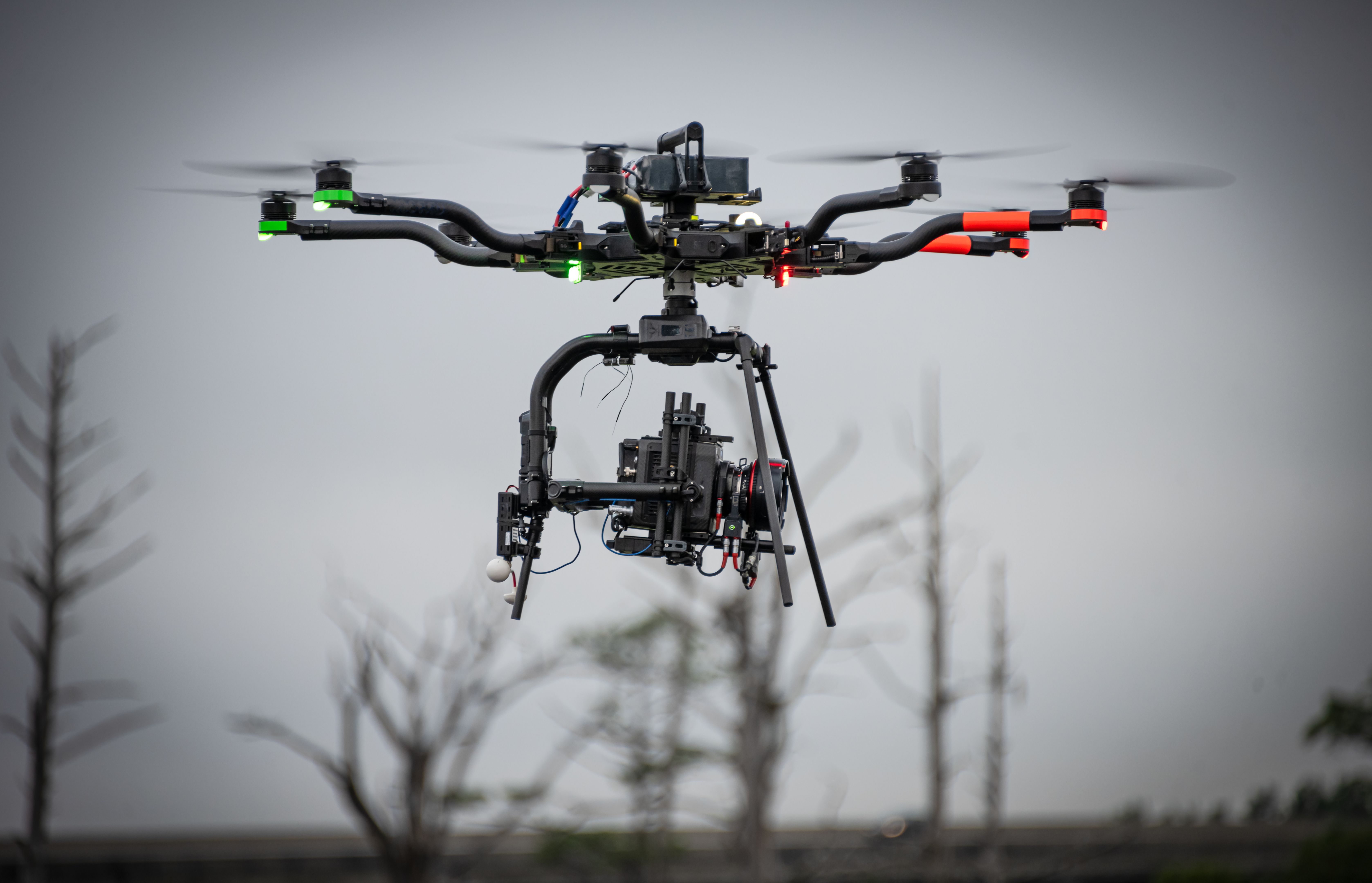
Versatility and Creativity
Drones offer unparalleled versatility in capturing footage. They can easily maneuver in tight spaces, fly at various altitudes, and capture scenes that would be impossible with traditional cameras. This flexibility allows creators to experiment and push the boundaries of their storytelling.
Furthermore, the combination of drones and 360-degree cameras encourages creativity. Filmmakers can design unique experiences by combining aerial shots with ground-level perspectives, creating a seamless visual journey for the audience.
Increased Accessibility for Audiences
360-degree videos captured by drones can be viewed on various devices, from smartphones to virtual reality headsets, making them highly accessible to a broad audience. This accessibility ensures that viewers can enjoy the content regardless of their preferred platform, enhancing the potential reach of the video.

Applications Across Industries
Drones and 360-degree video production are not limited to any single industry. They are being utilized across various fields, including:
- Tourism: Offering virtual tours of destinations.
- Real Estate: Providing immersive property walkthroughs.
- Sports: Capturing dynamic action from unique angles.
- Education: Creating engaging learning experiences.
Each application benefits from the unique capabilities that drones bring to 360-degree video production.
Conclusion
360-degree video production using drones is transforming the way we create and consume visual content. By offering enhanced engagement, cost-effective solutions, and creative freedom, it opens up new possibilities for content creators across various industries. As technology continues to evolve, the potential for drones in 360-degree video production is boundless, promising even more exciting developments in the future.