
Exploring the Cinematic Potential of Drone Filming


The Rise of Drone Filming in Cinema
The advent of drone technology has revolutionized the way filmmakers capture scenes, offering new perspectives and creative possibilities. Drones have become an essential tool in modern cinematography, providing filmmakers with the ability to capture sweeping aerial shots and dynamic movements previously only achievable with expensive equipment.
Drone filming has democratized aerial cinematography, allowing independent filmmakers to compete with big studios in terms of visual storytelling. This technology enables the capturing of stunning landscapes and intricate cityscapes, adding depth and scale to any production.
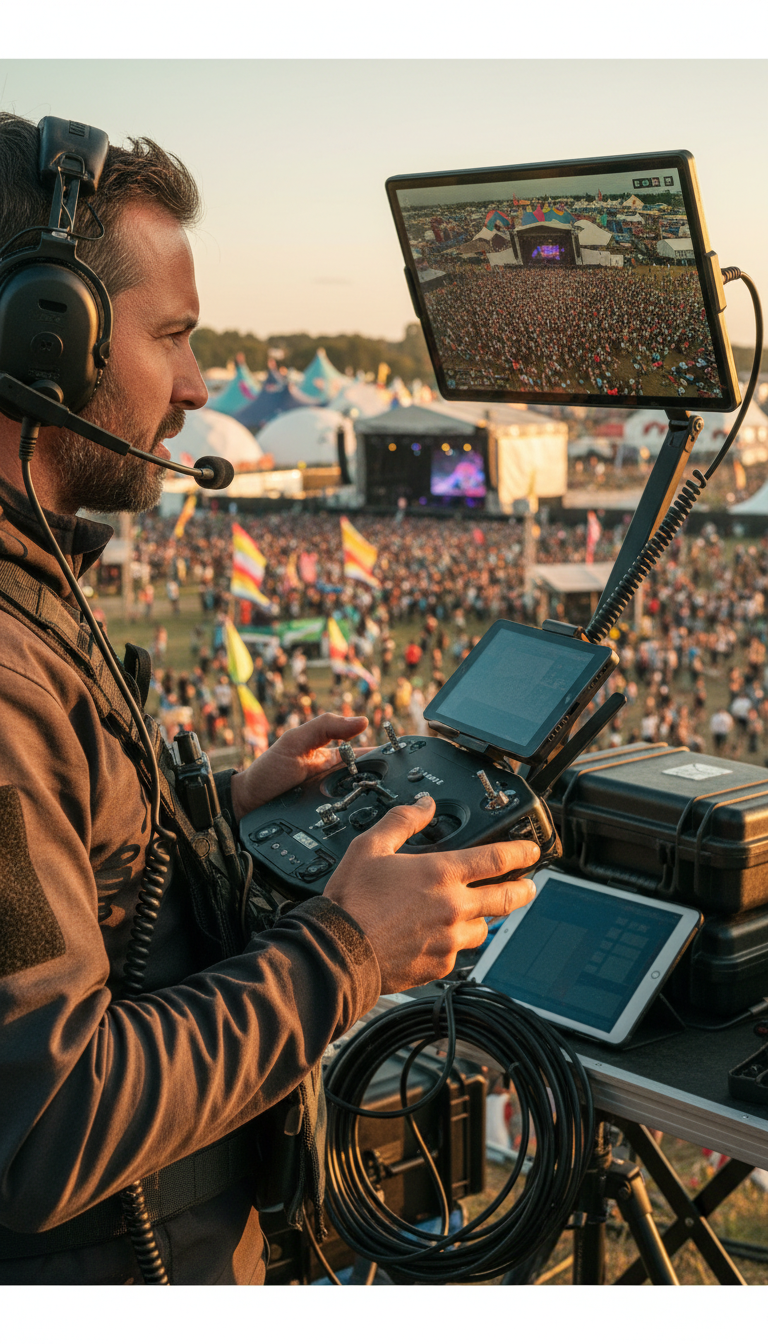
Advantages of Using Drones in Filmmaking
Drones offer several advantages over traditional filming methods. They are cost-effective, flexible, and capable of capturing footage in hard-to-reach locations. With drones, filmmakers can easily shoot in remote or constricted areas without the need for cumbersome cranes or helicopters.
The agility of drones allows for creative shot compositions and fluid transitions. Filmmakers can experiment with various angles and techniques, such as following a character from an aerial perspective or seamlessly transitioning from ground to sky views.
Enhanced Storytelling Possibilities
Incorporating drone footage into films can significantly enhance storytelling. Aerial shots can establish settings, convey mood, and emphasize themes, enriching the narrative. For instance, a drone can capture the isolation of a lone traveler in a vast desert or the bustling energy of a crowded cityscape.

Technical Considerations and Challenges
While drones offer numerous benefits, they also present certain challenges. Filmmakers must consider factors such as battery life, weather conditions, and legal restrictions when planning drone shoots. Additionally, operating a drone requires skill and practice to achieve smooth and stable footage.
Regulations surrounding drone usage vary by location, making it essential for filmmakers to be aware of the legal framework in their shooting areas. Obtaining the necessary permits and adhering to safety guidelines is crucial to avoid legal complications.
Future Trends in Drone Filmmaking
The future of drone filming in cinema looks promising, with advancements in technology continuously pushing the boundaries of what's possible. Innovations such as AI-powered drones and enhanced camera stabilization systems are likely to further expand the creative potential of drone cinematography.

As drones become more accessible and versatile, their integration into various genres of film will increase. From action-packed sequences to serene documentary shots, drones are set to become a staple in cinematic storytelling.
Conclusion
The cinematic potential of drone filming is vast and continually evolving. By offering unique perspectives and enhancing visual storytelling, drones are transforming the landscape of filmmaking. As technology progresses, the creative possibilities will only expand, making drone cinematography an exciting frontier for filmmakers worldwide.