
Exploring the Future of Drones in Film Production


The Rise of Drones in Cinematography
In recent years, drones have become a revolutionary tool in the film industry, offering directors and cinematographers new creative possibilities. These flying cameras provide unique aerial shots that were once only achievable with helicopters, making them both cost-effective and versatile. As technology advances, drones are set to redefine how films are produced, opening up a world of visual storytelling.

Cost-Effective Filmmaking
One of the most significant advantages of using drones in film production is the reduction in costs. Traditional methods of capturing aerial footage involve hiring helicopters, pilots, and expensive equipment. Drones, on the other hand, are much more affordable and can be operated by a small crew. This makes high-quality aerial shots accessible to independent filmmakers and smaller production companies, leveling the playing field in the industry.
Innovative Camera Angles
Drones offer filmmakers the ability to capture dynamic shots and angles that were previously impossible. Whether it's a sweeping landscape or a fast-paced action sequence, drones can maneuver through tight spaces, hover at various altitudes, and even follow moving subjects seamlessly. This flexibility allows for more creative expression and can significantly enhance the storytelling aspect of a film.
Technological Advancements and Future Potential
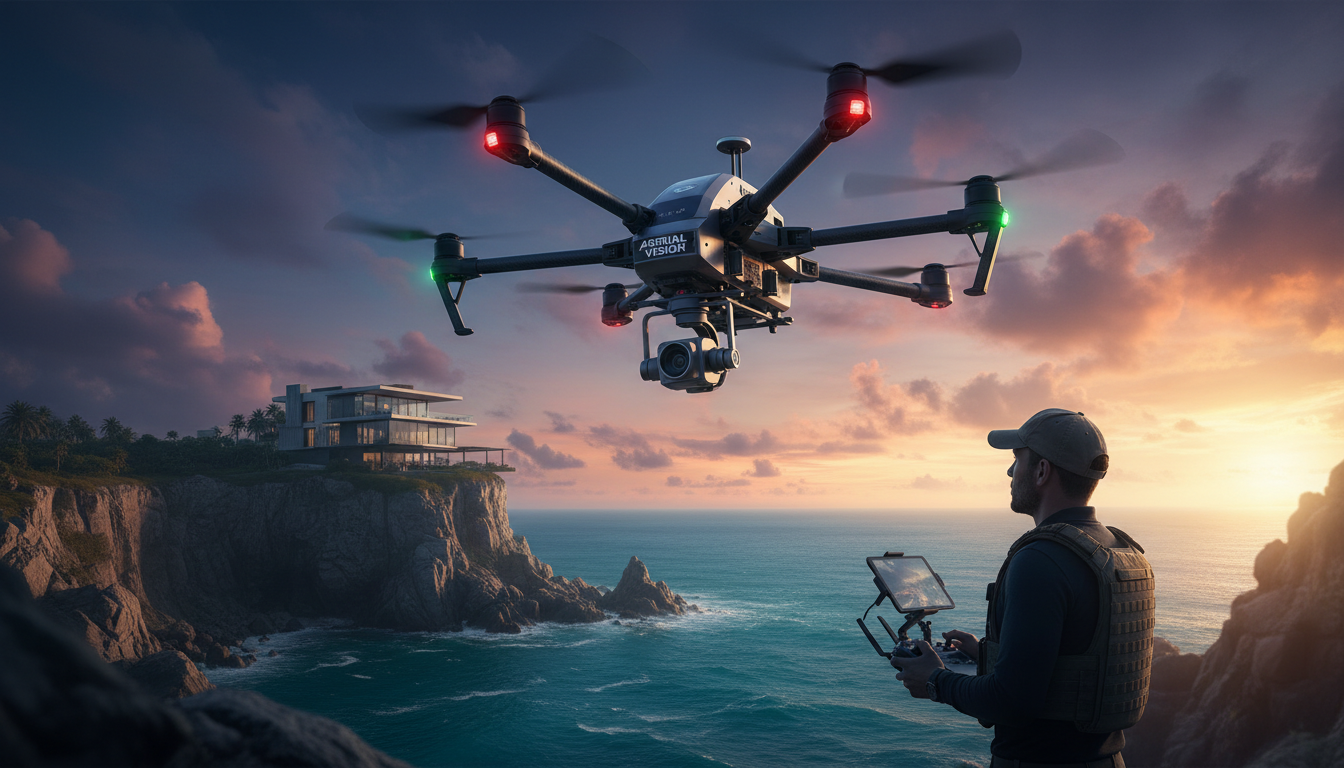
The future of drones in film production is promising, with continuous advancements in technology. Drones are becoming more autonomous, with improved AI capabilities that allow for precise tracking and obstacle avoidance. These innovations mean that filmmakers can focus more on their creative vision rather than operational challenges.
Environmental Impact
Another critical aspect of drone technology is its relatively low environmental impact compared to traditional aerial filming methods. Drones are generally quieter and consume less fuel, making them a more sustainable choice for the film industry. This eco-friendly approach aligns with the increasing demand for sustainable practices in all sectors.
Challenges and Considerations
Despite their many advantages, drones in film production come with their set of challenges. Regulations around drone usage vary by country, and filmmakers must navigate these legal frameworks to ensure compliance. Additionally, weather conditions can impact drone performance, requiring careful planning and flexibility during shoots.
Training and Skill Development
Operating a drone requires specific skills and training to ensure safety and to maximize the quality of footage. As the demand for drone operators grows, the industry is seeing an increase in training programs and certifications. This focus on skill development is crucial for maintaining high standards in film production.
In conclusion, drones are undoubtedly transforming the film industry by offering new perspectives and cost-effective solutions. As technology continues to evolve, the possibilities for drone usage in film production are endless, promising an exciting future for filmmakers and audiences alike.