
How Drones are Revolutionizing Film Production: A Comprehensive Guide


The advent of drones has dramatically transformed the landscape of film production. Once reliant on helicopters and cranes for aerial shots, filmmakers now have access to cost-effective and versatile tools that offer unprecedented creative possibilities. This comprehensive guide explores how drones are revolutionizing the industry.
Enhanced Accessibility and Affordability
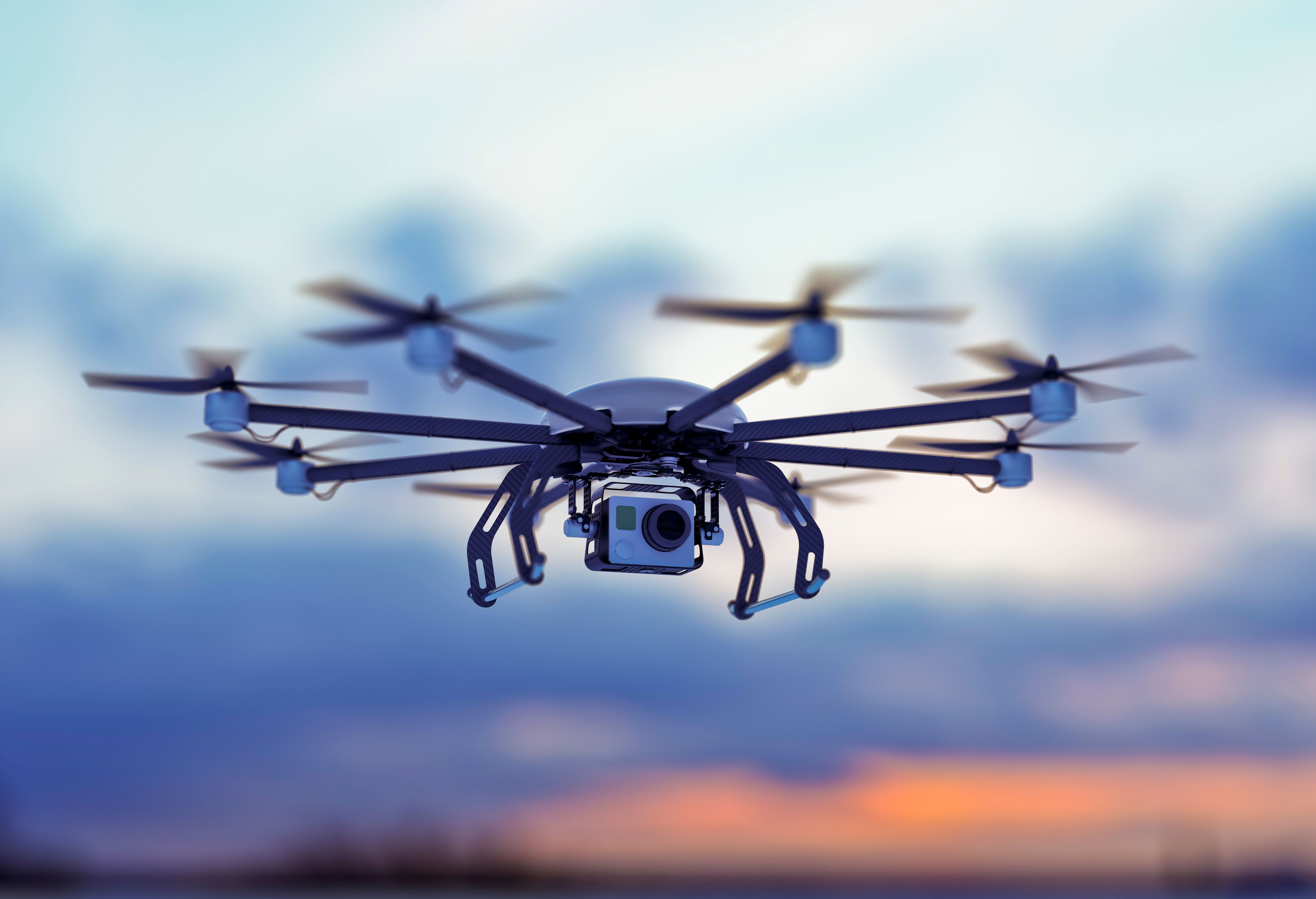
One of the most significant changes brought about by drones is the democratization of aerial cinematography. Previously, capturing aerial shots required expensive equipment and complex logistics. Now, even independent filmmakers can achieve stunning visuals without breaking the bank. Drones offer a level of accessibility that was unimaginable just a few years ago.
This affordability is not just about initial costs. It's also about efficiency and time savings on set. Drones can be deployed quickly, reducing the need for extensive planning and setup time. This flexibility allows filmmakers to capture spontaneous moments that can add authenticity and dynamism to their work.
Creative Versatility
The versatility of drones allows filmmakers to explore new creative avenues. With their ability to maneuver in tight spaces and capture unique perspectives, drones can provide angles and shots that were previously impossible. This capability has opened up a world of creative possibilities, from sweeping landscapes to intimate close-ups.
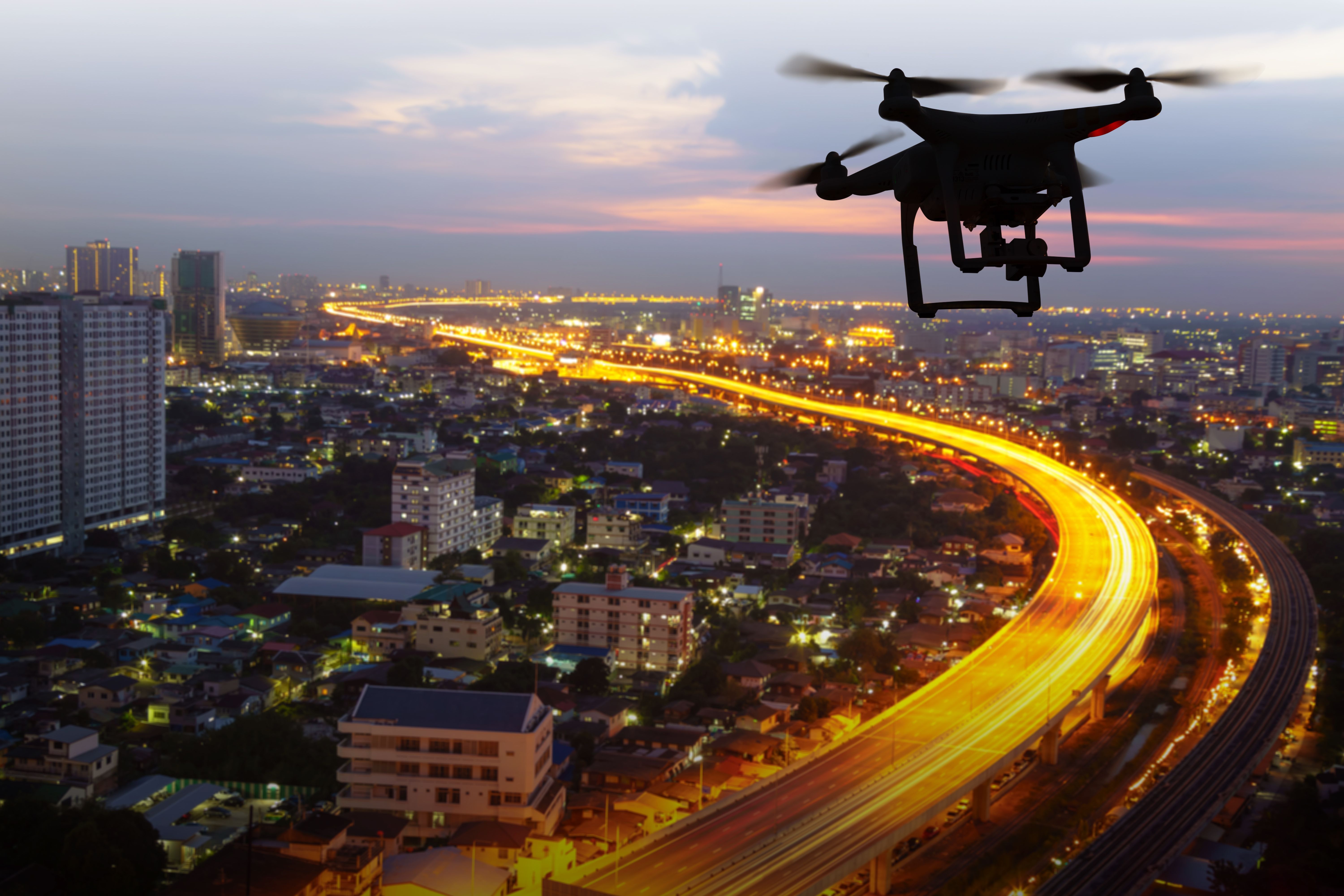
Moreover, drones can be equipped with various camera types and lenses, allowing filmmakers to customize their equipment based on the specific needs of each scene. This adaptability means that drones can be used for a wide range of genres, from action-packed thrillers to serene documentaries.
Improved Safety Measures
Safety has always been a top concern in film production, especially when it comes to aerial shots. Drones have significantly improved safety by eliminating the need for helicopters and cranes, which can pose risks to both crew and equipment. With advanced GPS and obstacle avoidance systems, modern drones offer a safer alternative without compromising on quality.
Technological Advancements
Technological advancements in drone technology continue to push the boundaries of what is possible in film production. Features such as automated flight paths, real-time video streaming, and high-resolution cameras have raised the bar for film quality. These innovations allow filmmakers to focus more on creative direction rather than technical limitations.
Moreover, the integration of artificial intelligence in drones is paving the way for even more sophisticated applications. AI-powered drones can track subjects autonomously, anticipate movements, and adjust camera settings in real time, ensuring that filmmakers capture the perfect shot every time.
Environmental Impact
In addition to their technical benefits, drones offer a more environmentally friendly option for film production. By reducing the need for heavy machinery and fuel-consuming vehicles, drones help lower the carbon footprint of a production. This aligns with the growing trend towards sustainability in the industry.
As drones continue to evolve, their role in film production is likely to expand even further. They offer a glimpse into the future of filmmaking, where creativity is limited only by imagination, not technology. The revolution has just begun, and the possibilities are endless.