
Navigating UK Drone Regulations for Safe and Legal Filming


In recent years, drone technology has revolutionized the way we capture video footage, offering breathtaking aerial views that were once the exclusive domain of helicopters. However, to harness the full potential of drones for filming in the UK, it's essential to navigate the complex regulatory landscape. Understanding these rules ensures that your filming is both safe and legal.
Understanding UK Drone Regulations
The Civil Aviation Authority (CAA) is the governing body responsible for regulating drone usage in the UK. Anyone wishing to use drones for commercial filming must comply with their guidelines. The Air Navigation Order 2016 outlines specific requirements for drone operators, including maintaining visual line of sight and adhering to height restrictions.
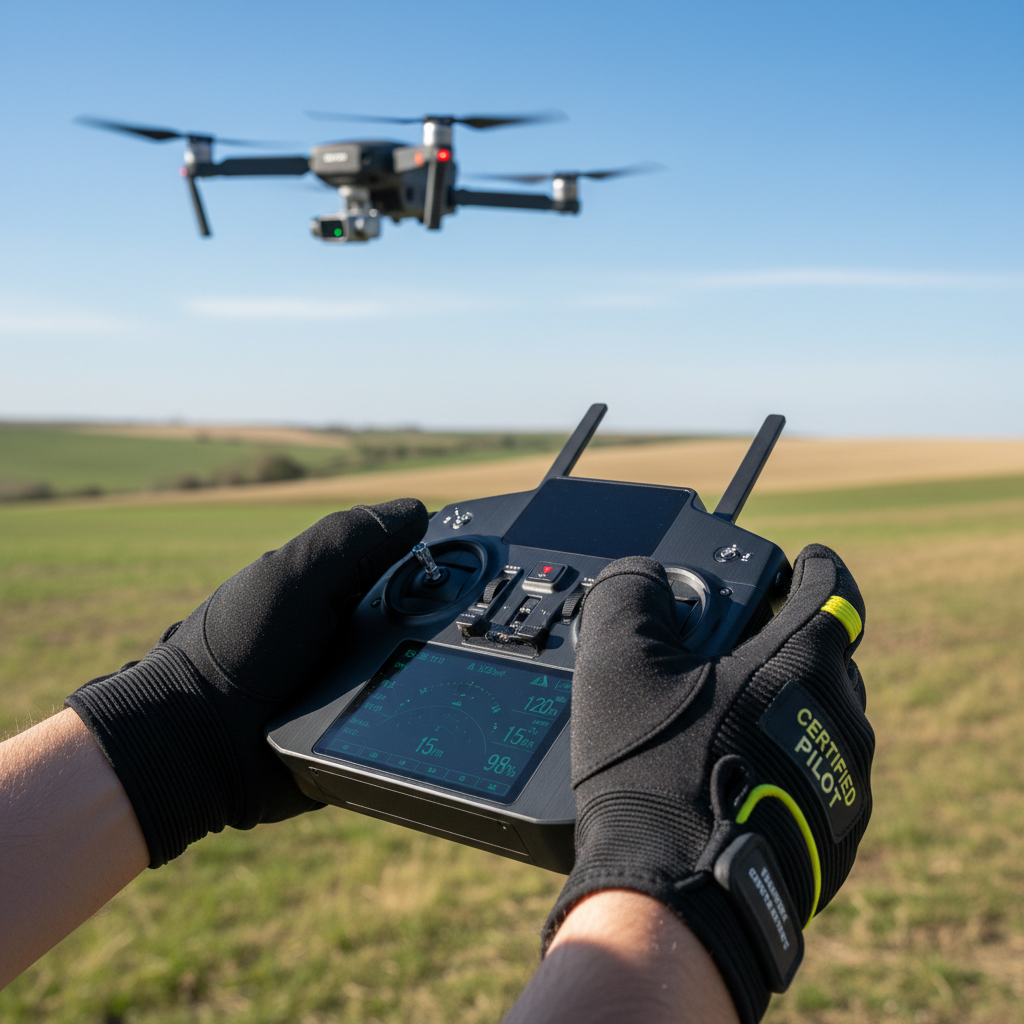
One of the primary requirements is to obtain an Operational Authorisation if your drone weighs more than 250 grams and you intend to use it for commercial purposes. This authorization ensures that operators are competent and aware of the safety measures required during flight operations.
Registration and Licensing
All drones over 250 grams must be registered with the CAA. This involves two key components: a Flyer ID and an Operator ID. The Flyer ID is for the individual flying the drone, while the Operator ID is for the person or entity responsible for the drone. Both are necessary for legal operation.
To obtain a Flyer ID, individuals must pass an online theory test, demonstrating their understanding of UK drone laws and safety practices. This ensures that all pilots are equipped with the knowledge to operate drones responsibly.

Filming in Restricted Areas
When filming in urban areas or near sensitive sites such as airports and military bases, additional permissions are required. The CAA classifies these as restricted zones, and operators must apply for special permission to fly in these areas. It's vital to plan your filming schedule well in advance to accommodate the time needed for these applications.
Additionally, respect for privacy is paramount. When filming, ensure that you avoid capturing images of individuals without their consent, especially in private settings. The Information Commissioner's Office provides guidelines on privacy considerations that drone operators must follow.
Insurance and Safety Measures
Insurance is another critical aspect of drone operation. While not legally mandated for all drone users, having insurance is highly advisable, especially for commercial projects. This provides coverage in case of accidents or damage caused by drone operations.
Moreover, implementing robust safety protocols is crucial. Conducting pre-flight checks, maintaining a clear line of sight, and adhering to weather advisories can significantly reduce the risk of mishaps. Always have a contingency plan in place for emergencies, such as loss of control or technical failures.
Staying Informed
The world of drone regulations is continually evolving. Keeping abreast of the latest updates from the CAA and other relevant bodies will help you stay compliant. Joining drone operator communities or forums can also provide valuable insights and support from fellow enthusiasts and professionals.
By understanding and adhering to UK drone regulations, filmmakers can unlock the full potential of this technology, capturing stunning aerial footage while ensuring safety and legality. Whether you're a seasoned drone pilot or just starting, these guidelines will help you navigate the skies with confidence.