
Showcasing Heritage Sites: Drone Videography Techniques


Introduction to Drone Videography for Heritage Sites
Drone videography has revolutionized the way we capture and showcase heritage sites. These aerial devices offer unique perspectives, allowing viewers to appreciate the grandeur and intricacies of historical landmarks. With the right techniques, drones can highlight the beauty and significance of heritage sites in unprecedented ways.
Drone videography is not just about flying a drone over a site. It involves careful planning, understanding the site's history, and using the right equipment and techniques to capture the best footage.
Planning Your Drone Shoot
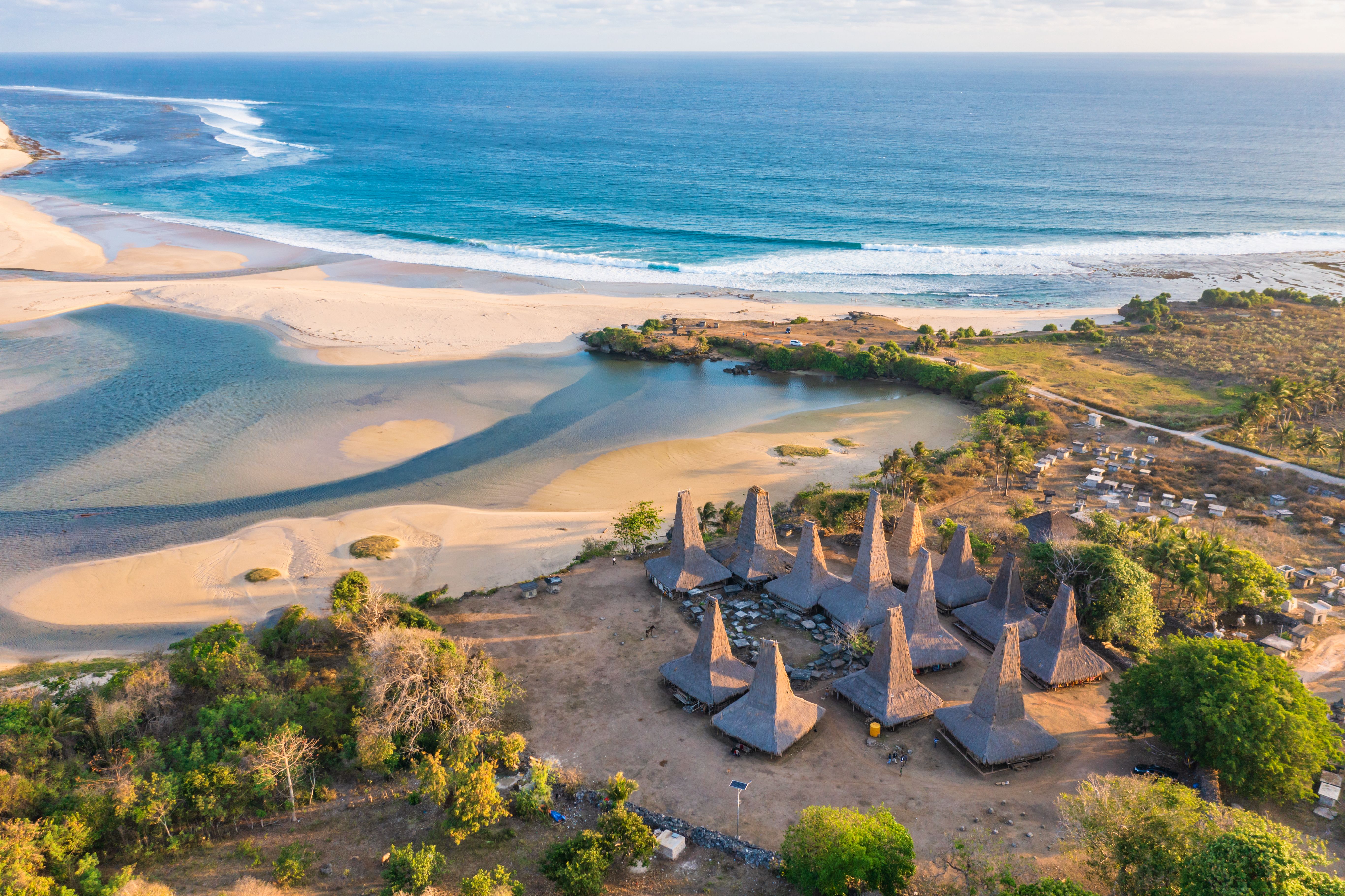
Before launching a drone, it's crucial to plan your shoot meticulously. Start by researching the heritage site to understand its historical context and significance. This knowledge will guide your filming angles and highlight important features.
Next, consider the weather conditions. Bright, sunny days are ideal for capturing clear and vibrant footage. However, overcast conditions can add a dramatic effect to certain sites, enhancing their historical aura.
Legal Considerations
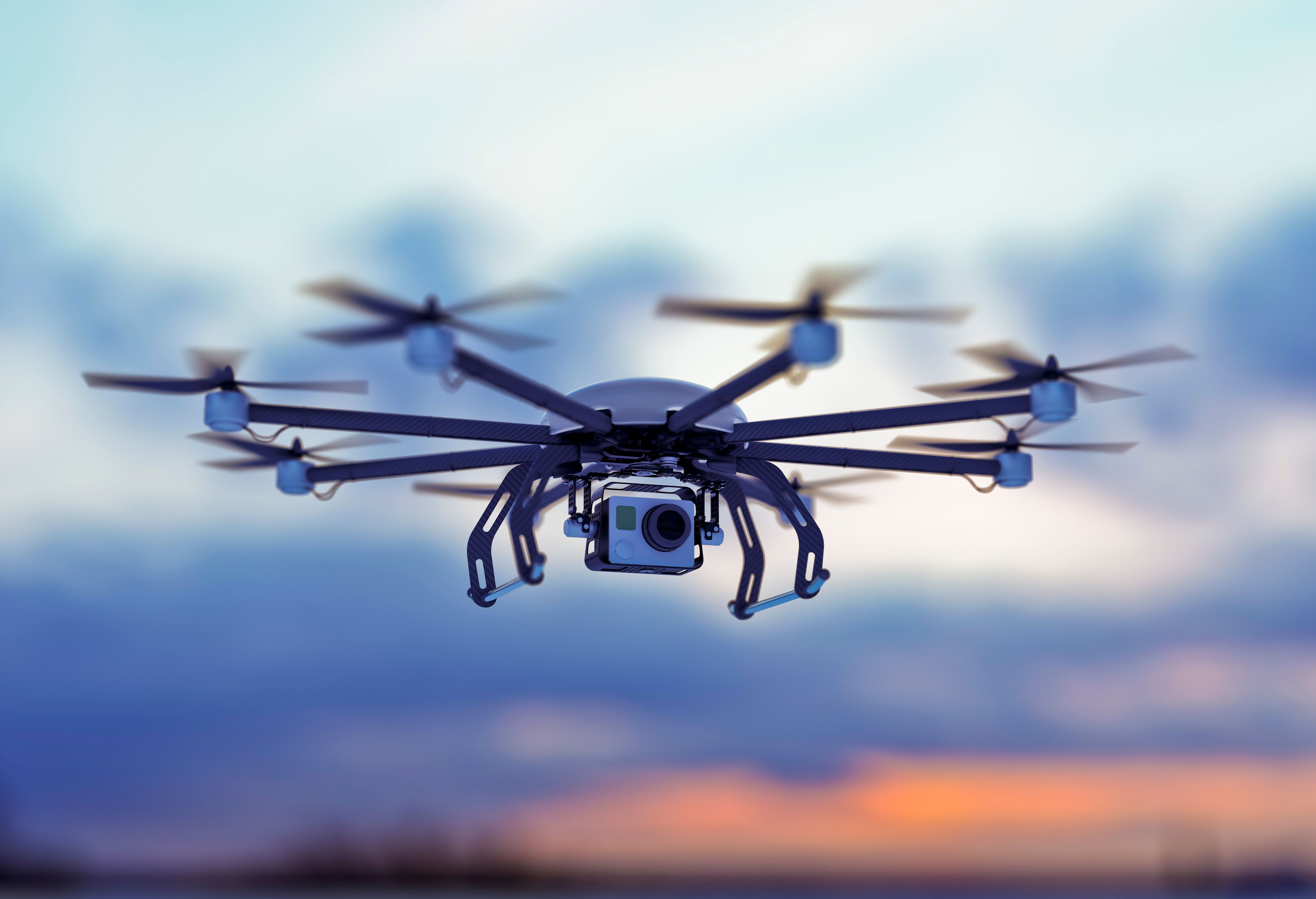
Ensure you are aware of and comply with local regulations regarding drone flights. Many heritage sites require specific permissions for aerial videography. Failing to adhere to these regulations can result in hefty fines and damage to the site's integrity.
Essential Drone Videography Techniques
The right techniques can transform ordinary footage into a breathtaking showcase of a heritage site. Here are some essential techniques to consider:
- Panoramic Shots: These wide-angle shots are perfect for capturing the entire site, providing viewers with a comprehensive view.
- Close-Up Details: Use your drone to focus on intricate details, such as carvings or architectural motifs, that might be missed from ground level.
- Tracking Shots: Follow a specific path or feature within the site to create a dynamic experience for the viewer.
Equipment and Settings
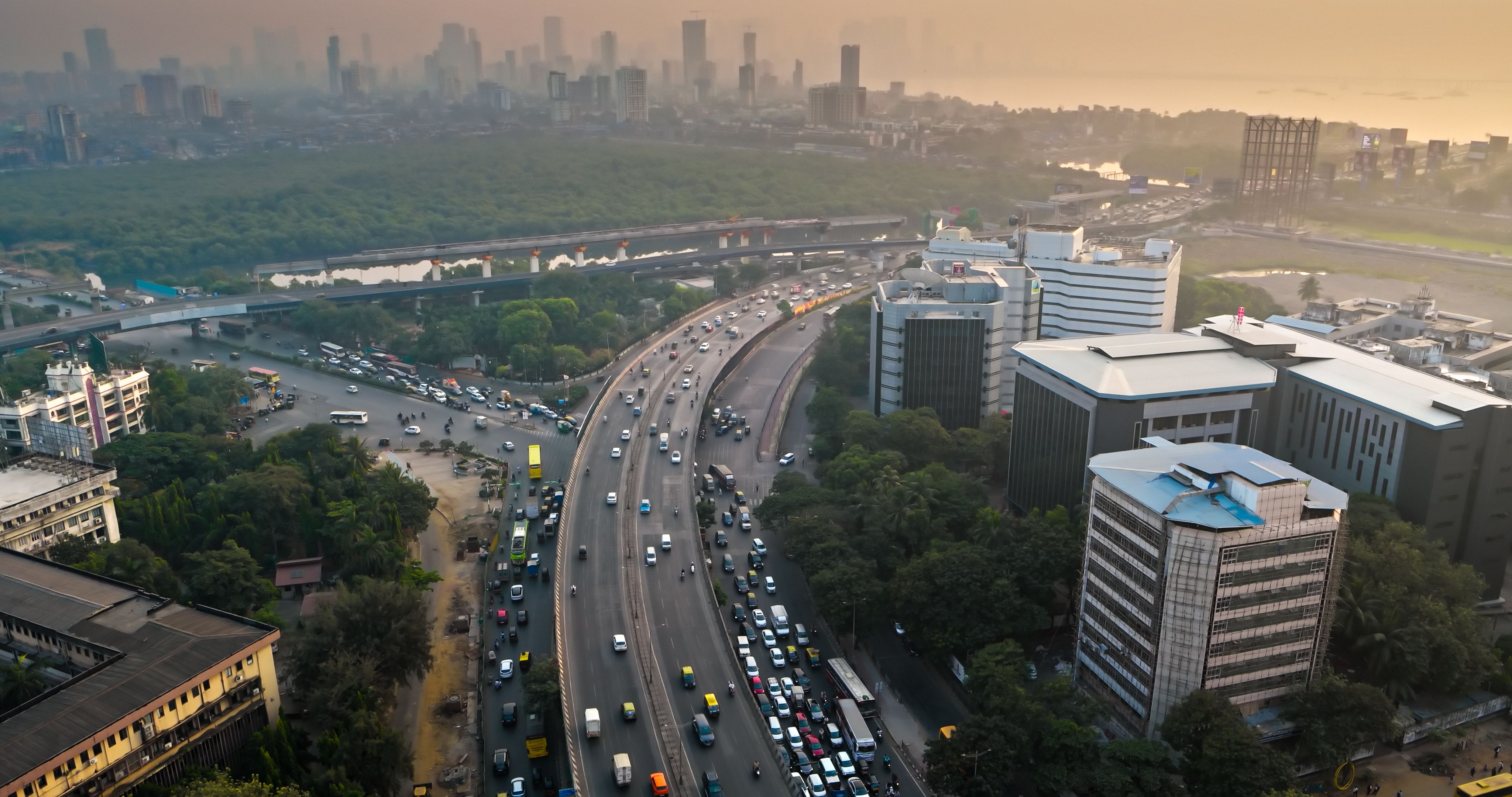
Using the right equipment is crucial for high-quality footage. Invest in a drone with a high-resolution camera and stability features to ensure smooth shots. Additionally, adjust your camera settings, such as frame rate and resolution, based on the lighting and desired effect.
Editing and Enhancing Your Footage
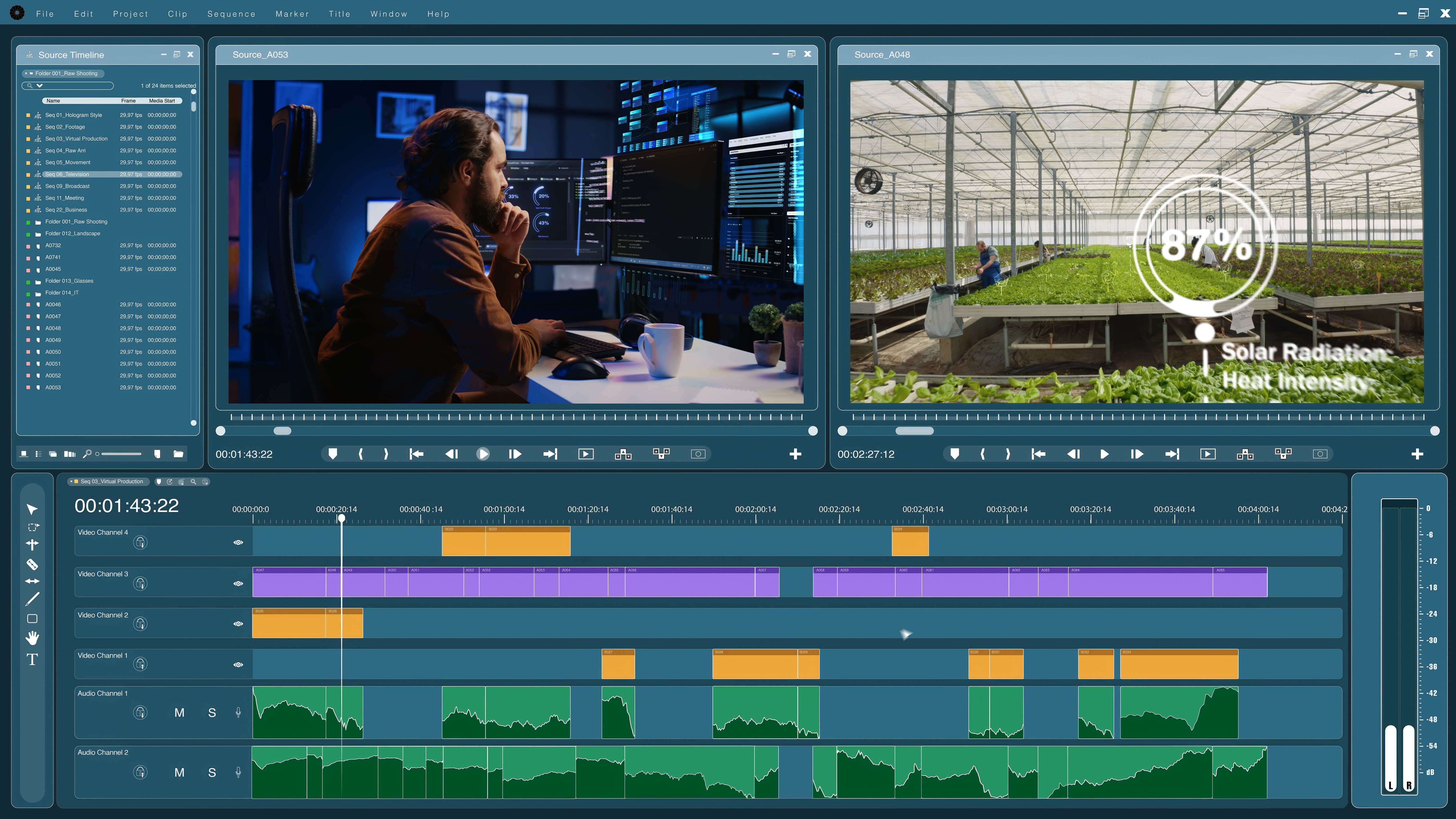
After capturing your footage, the next step is editing. Use software to enhance colors, stabilize shaky shots, and add music or narration to provide context. Editing is where you can truly bring your vision to life, transforming raw footage into a compelling narrative.
Consider using cutting-edge techniques like color grading to emphasize the unique tones and textures of the site. This can help convey the historical atmosphere and importance of the location.
Sharing Your Work
Once your footage is ready, share it across various platforms to reach a wider audience. Social media, video sharing sites, and even virtual reality platforms can help showcase these heritage sites to history enthusiasts and the general public alike.
By effectively using drone videography techniques, you can contribute to the preservation and appreciation of historical sites, bringing their stories to life for generations to come.