
The Art of Aerial Videography: Capturing Scotland's Heritage Sites from Above


Exploring Scotland from the Sky
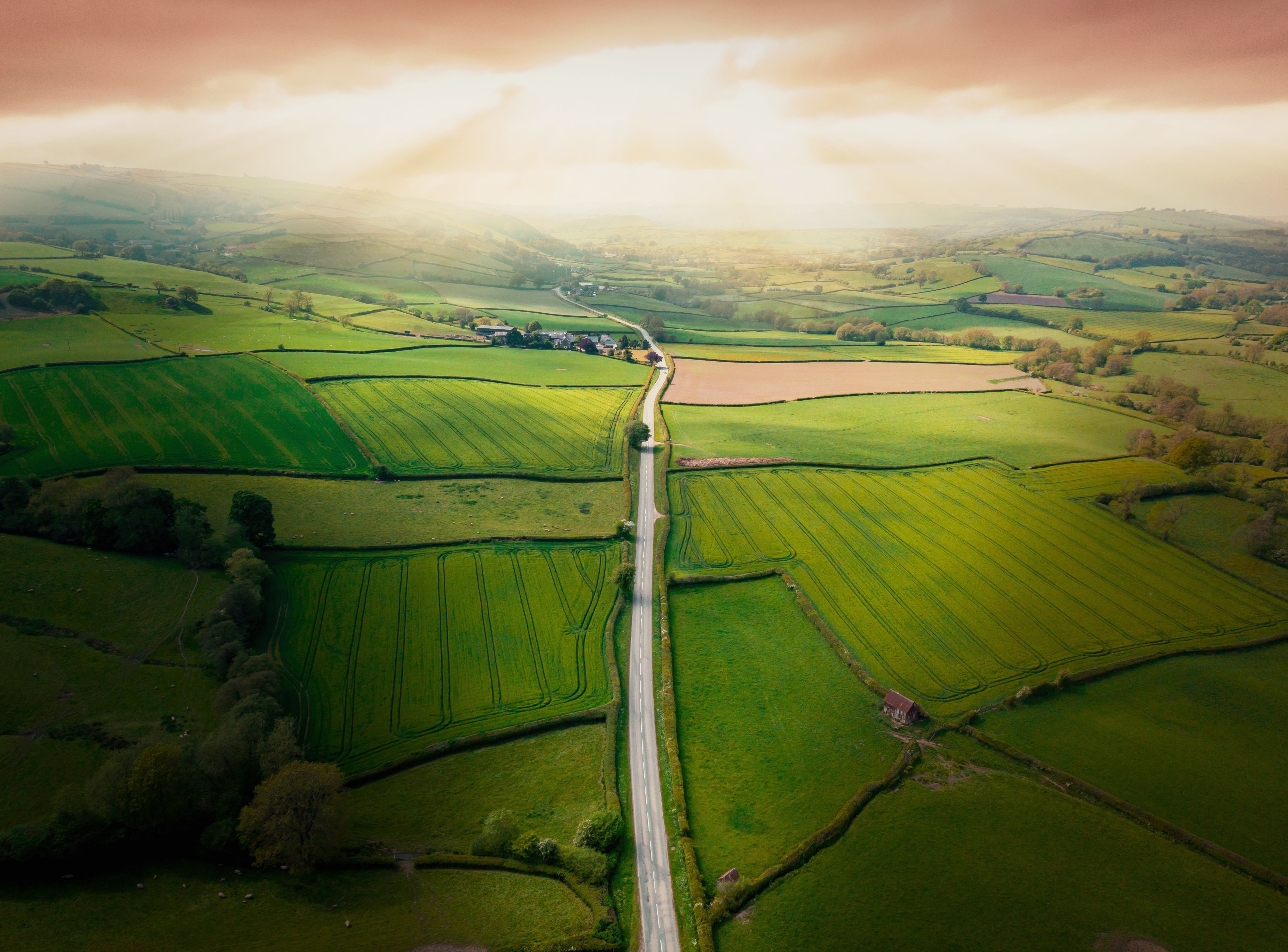
The rugged landscapes and historical sites of Scotland offer an incredible backdrop for aerial videography. From ancient castles perched on cliffs to the serene beauty of lochs, capturing these sights from above provides a unique perspective that ground-level photography simply cannot achieve.
Aerial videography allows us to witness the grandeur of Scotland's heritage in ways once thought impossible. With drones becoming more accessible, both amateur and professional videographers are taking to the skies to document Scotland’s rich history and stunning landscapes.
The Equipment You Need
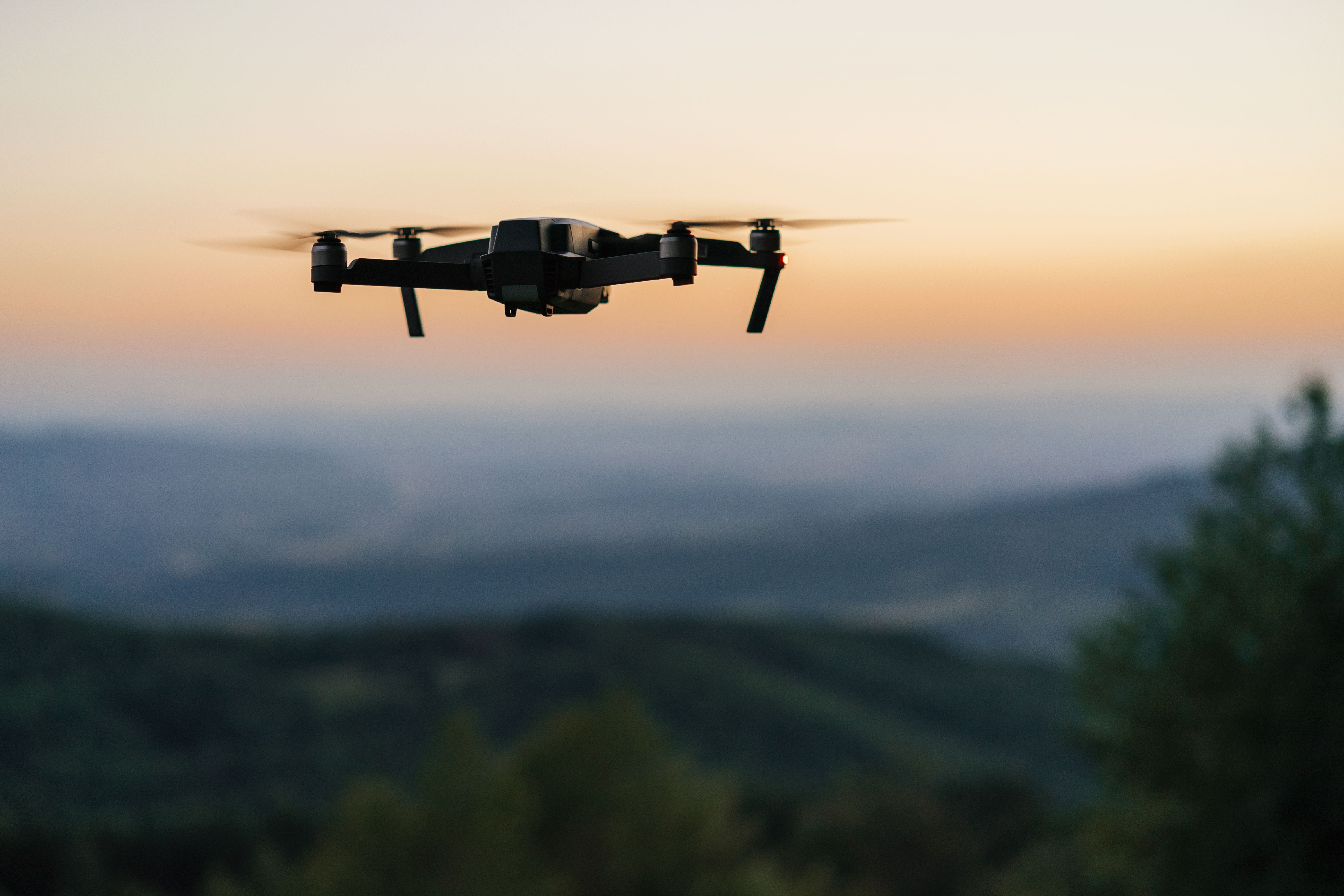
To embark on your aerial videography journey, you'll need the right equipment. A quality drone with a high-resolution camera is essential. Drones such as the DJI Phantom or Mavic series are popular choices for their stability and image quality.
Equally important is understanding the drone's features and settings. Familiarize yourself with the flight controls, camera settings, and safety protocols to ensure a smooth filming experience. Many drones come with built-in stabilization, which is crucial for capturing steady footage.
Planning Your Shoot
Scotland's weather can be unpredictable, so careful planning is vital. Check weather forecasts and plan your shoot on days with minimal wind and clear skies. It's also wise to scout your locations beforehand to ensure they are suitable for drone flying.
Consider the time of day when planning your shoots. Early mornings or late afternoons, known as the "golden hours," provide soft lighting that enhances the natural beauty of the landscape.
Legal Considerations
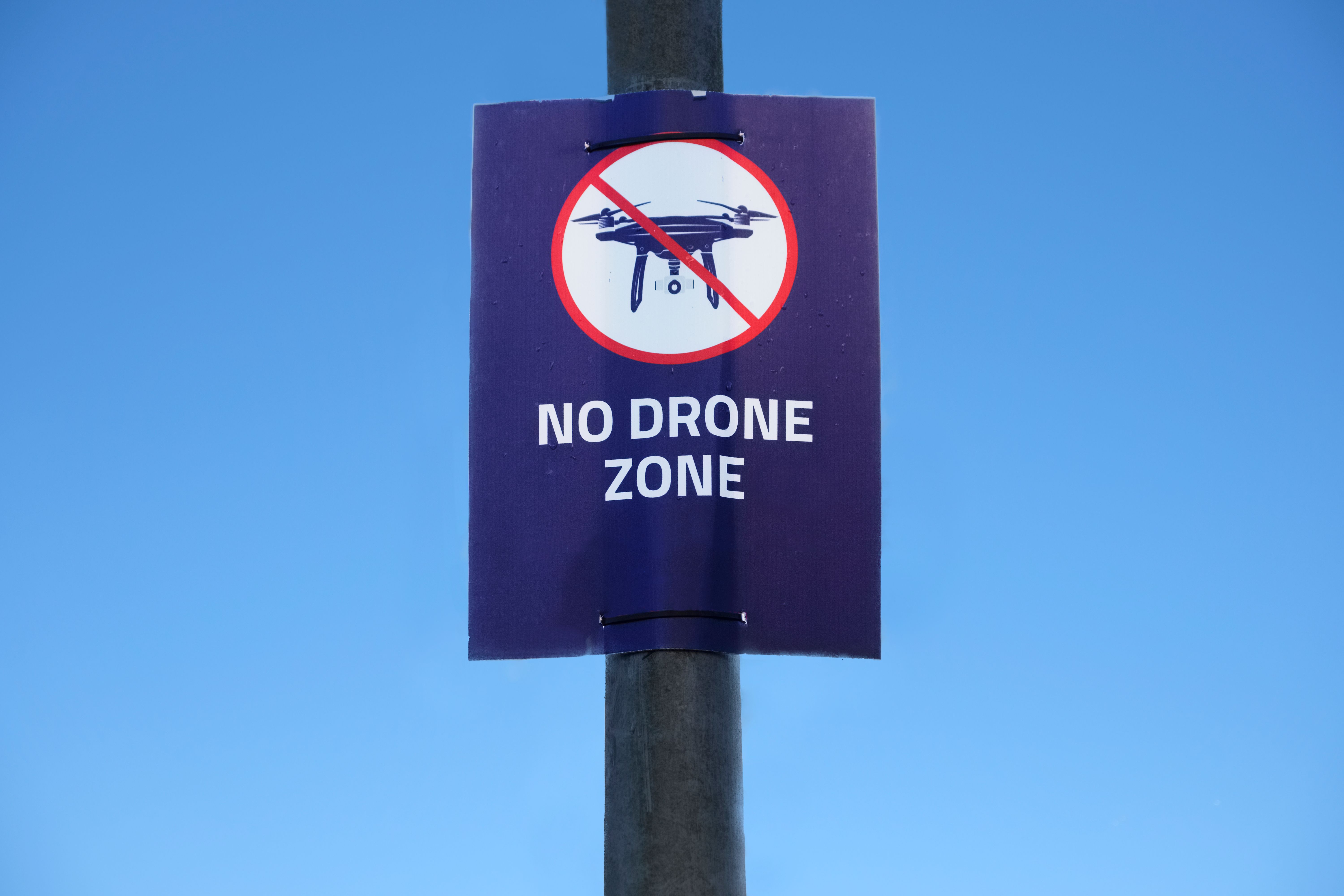
Before taking to the skies, ensure you're aware of the legal requirements for flying drones in Scotland. The UK Civil Aviation Authority (CAA) has specific guidelines regarding where and how you can fly drones, especially near heritage sites.
Key restrictions include maintaining line of sight with your drone, not flying above 400 feet, and keeping a safe distance from people and property. Always check for any restricted areas or temporary flight restrictions in your chosen locations.
Editing and Enhancing Your Footage
Once you've captured your footage, the next step is editing. Software like Adobe Premiere Pro or Final Cut Pro can help you enhance the visual quality of your videos. Adjusting colors, stabilizing footage, and adding music can transform raw clips into stunning visual stories.
Experiment with different editing techniques to highlight the unique features of each site. Slow-motion shots or time-lapses can add dramatic effect and emphasize the grandeur of Scotland’s landscapes.
Sharing Your Work
After perfecting your footage, sharing it with the world is a rewarding experience. Platforms like YouTube, Vimeo, and social media sites are ideal for showcasing your work. Engaging with online communities of drone enthusiasts can also offer valuable feedback and inspiration.
Consider collaborating with local tourism boards or heritage organizations to promote Scotland’s rich history and attract interest in these stunning sites from a global audience.
Conclusion
The art of aerial videography opens up a world of possibilities for capturing the breathtaking heritage sites of Scotland. With the right equipment, careful planning, and creativity, you can create awe-inspiring videos that celebrate the beauty and history of this remarkable country.
Whether you're an experienced videographer or a passionate hobbyist, Scotland's landscapes from above will undoubtedly offer endless inspiration for your next aerial adventure.