
The Art of Capturing Heritage Sites: Drone Videography in the UK


The Rise of Drone Videography
The advent of drone technology has revolutionized the way we capture the world around us. In the UK, where heritage sites abound, drones offer a unique perspective that was once impossible to achieve. These flying cameras not only provide stunning aerial views but also reveal hidden details of historical landmarks.
Drones have become an essential tool for videographers and photographers, enabling them to showcase the grandeur and intricacies of heritage sites from above. As these technologies become more accessible, the art of drone videography has gained popularity among both professionals and hobbyists.
Exploring the Benefits
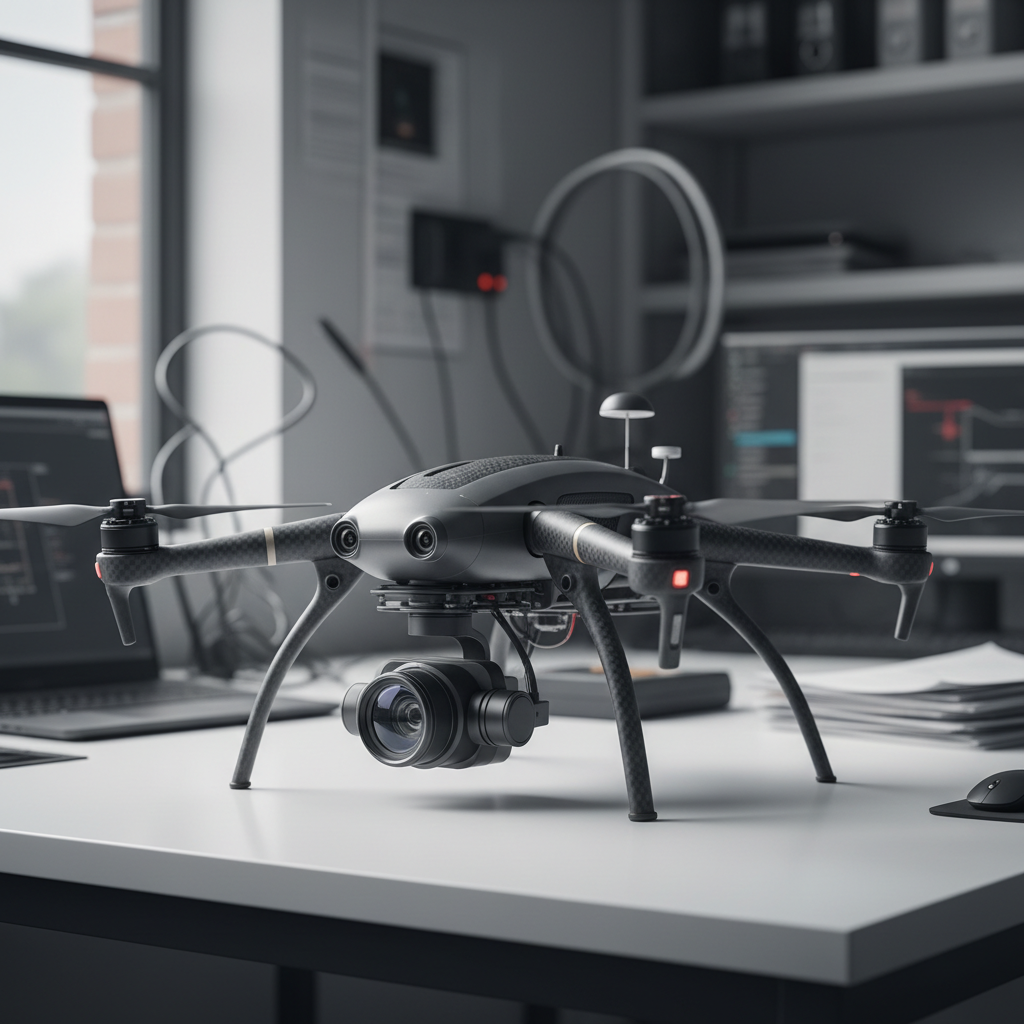
Drone videography offers numerous benefits when capturing heritage sites. Firstly, it allows for *unprecedented access* to areas that are difficult or impossible to reach on foot. This means videographers can film from angles that highlight the architecture and surroundings in their full glory.
Moreover, drones can cover vast areas quickly, providing comprehensive footage of large sites such as castles, ancient ruins, and historic estates. This efficiency not only saves time but also reduces the impact on the site itself, preserving its integrity.
Preserving History
Using drones for videography is not only about beautiful visuals; it's also about preserving history. High-resolution footage captured through drones can serve as an essential record for future generations. This digital documentation helps in maintaining a visual archive of the site’s current state.
Enhancing Storytelling
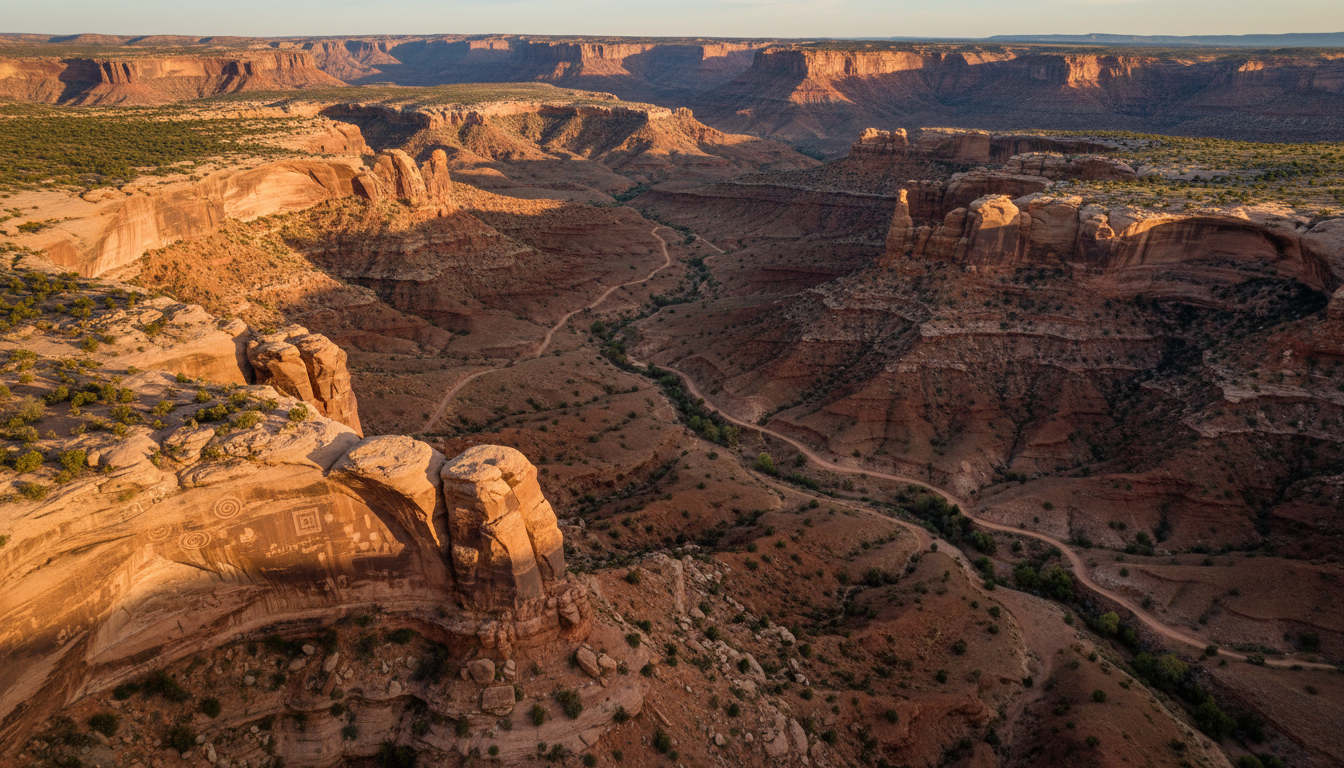
Drone videography enhances storytelling by providing dynamic, engaging content that draws viewers in. The sweeping shots and smooth transitions create a cinematic experience that traditional videography cannot match. For tourism boards and heritage organizations, this means creating compelling narratives that attract visitors and raise awareness.
Additionally, drones can capture the changing seasons and weather conditions, adding depth and context to the story of each site. This versatility allows for a richer, more immersive experience for viewers.
Challenges and Considerations
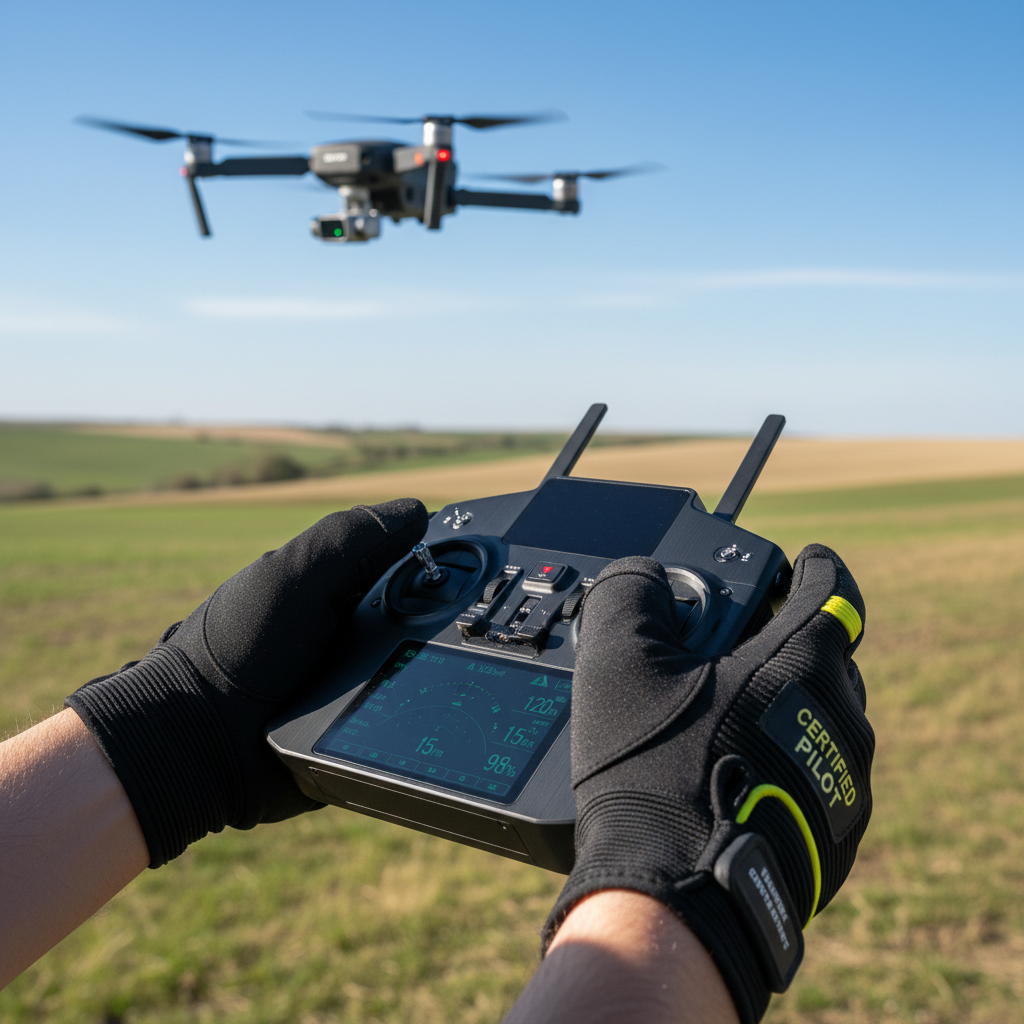
While drone videography offers many advantages, it also comes with challenges. Operators must adhere to strict regulations, ensuring they have the necessary permissions and licenses. Respecting privacy and avoiding disruption to wildlife are also key considerations when filming at heritage sites.
The Future of Drone Videography
As technology continues to advance, the future of drone videography in capturing heritage sites looks promising. Innovations in drone design, camera quality, and editing software will enable even more creative possibilities. The potential for virtual reality and interactive experiences is also on the horizon, offering viewers the chance to explore heritage sites from the comfort of their homes.
The art of capturing heritage sites through drone videography is not just about beautiful images; it's about connecting people with history in new and exciting ways. As drones take to the skies above the UK, they are transforming the way we see and understand our cultural heritage.