
The Complete Guide to Drone Filming: Everything You Need to Know


Introduction to Drone Filming
Drone filming has revolutionized the way we capture video footage, offering unique perspectives and cinematic shots that were once impossible or extremely costly to achieve. Whether you're a budding filmmaker or a seasoned professional, understanding the essentials of drone filming can elevate your projects to new heights.
Choosing the Right Drone
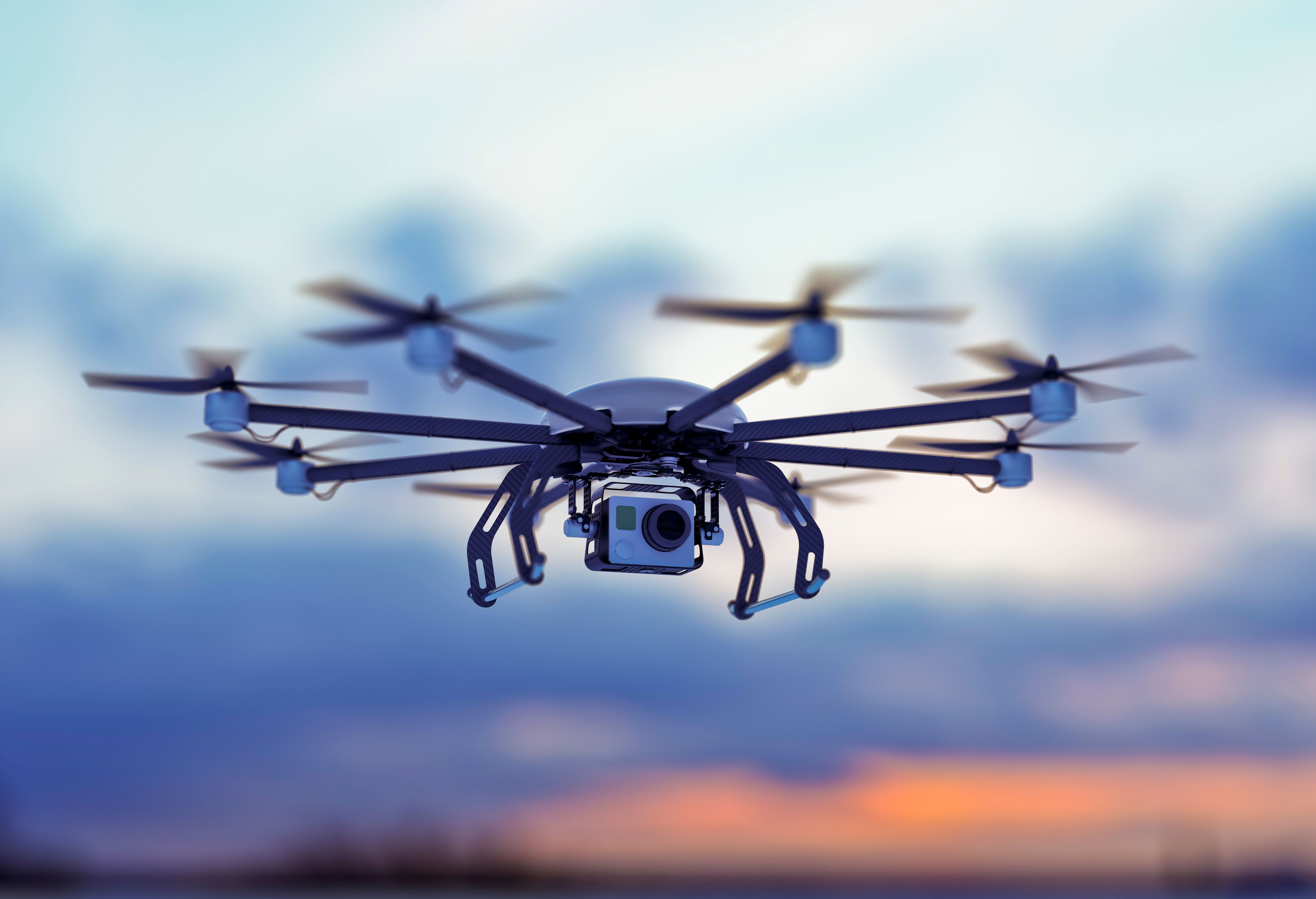
When selecting a drone for filming, consider factors such as camera quality, flight time, range, and stability. Popular brands like DJI, Autel, and Parrot offer a variety of models to suit different needs and budgets. Make sure to choose a drone that matches your project requirements and skill level.
Camera Quality
The camera quality on your drone will significantly impact the final footage. Look for drones with high-resolution cameras, preferably with 4K capabilities, and features like adjustable aperture and ISO settings. These features provide more control over your shots, ensuring professional results.
Mastering Drone Controls
Before taking to the skies, familiarize yourself with your drone's controls. Practice basic maneuvers and understand how to operate the camera settings while in flight. Many drones come with beginner modes and simulators to help you gain confidence.
Flight Practice
Regular practice is crucial for mastering drone controls. Start with open areas free of obstacles and gradually progress to more complex environments. Always adhere to local regulations and safe flying practices.
Planning Your Shots
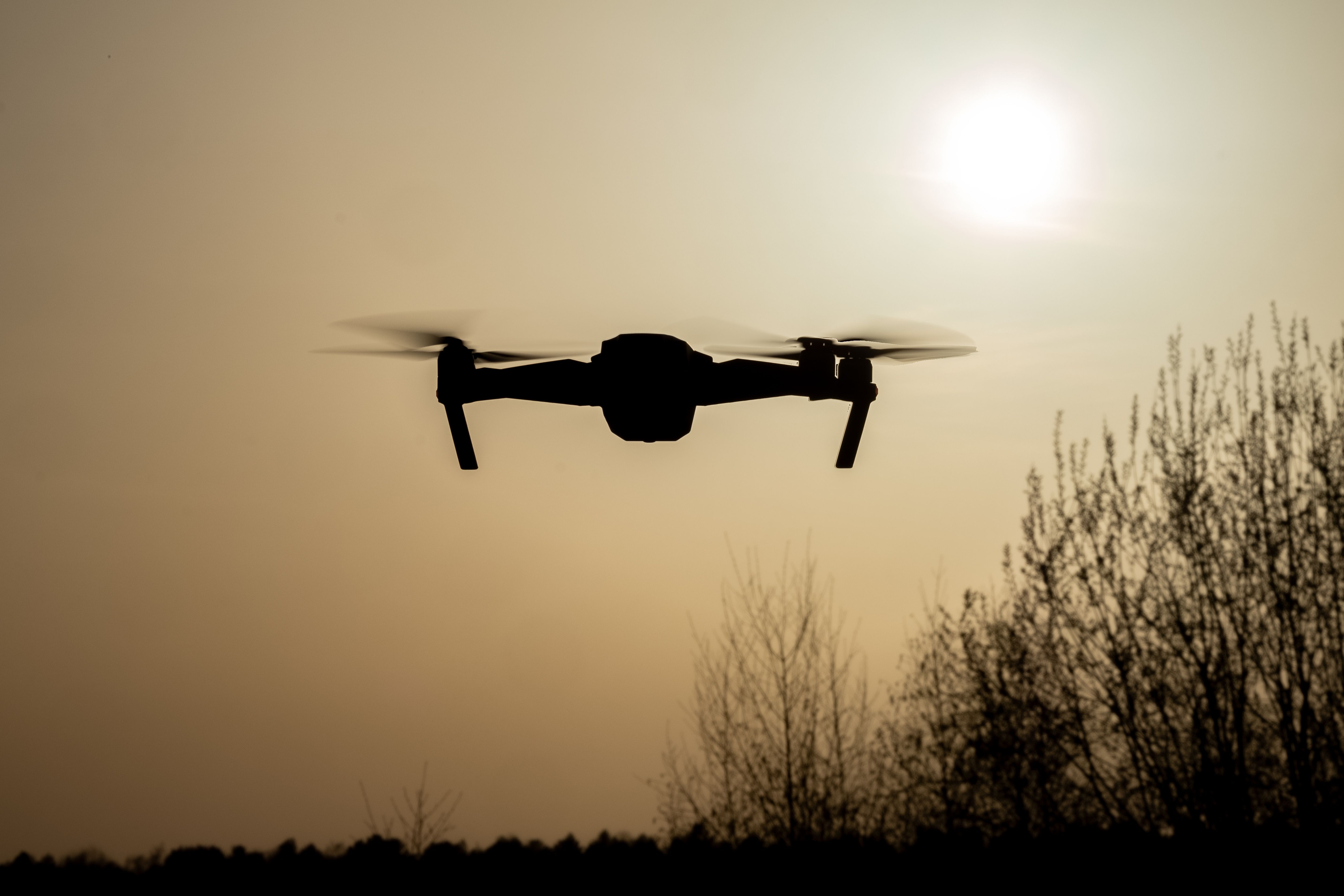
Effective planning is key to capturing stunning drone footage. Consider factors like lighting, weather conditions, and shot composition. Use tools like Google Maps or specific drone apps to scout locations and plan your flight paths.
Shot Types
Experiment with different shot types to add variety to your footage. Some popular options include:
- Tracking shots: Follow a moving subject.
- Bird's-eye views: Capture expansive landscapes from above.
- Reveal shots: Gradually unveil a scene by moving the drone backward or upward.
Editing Your Footage
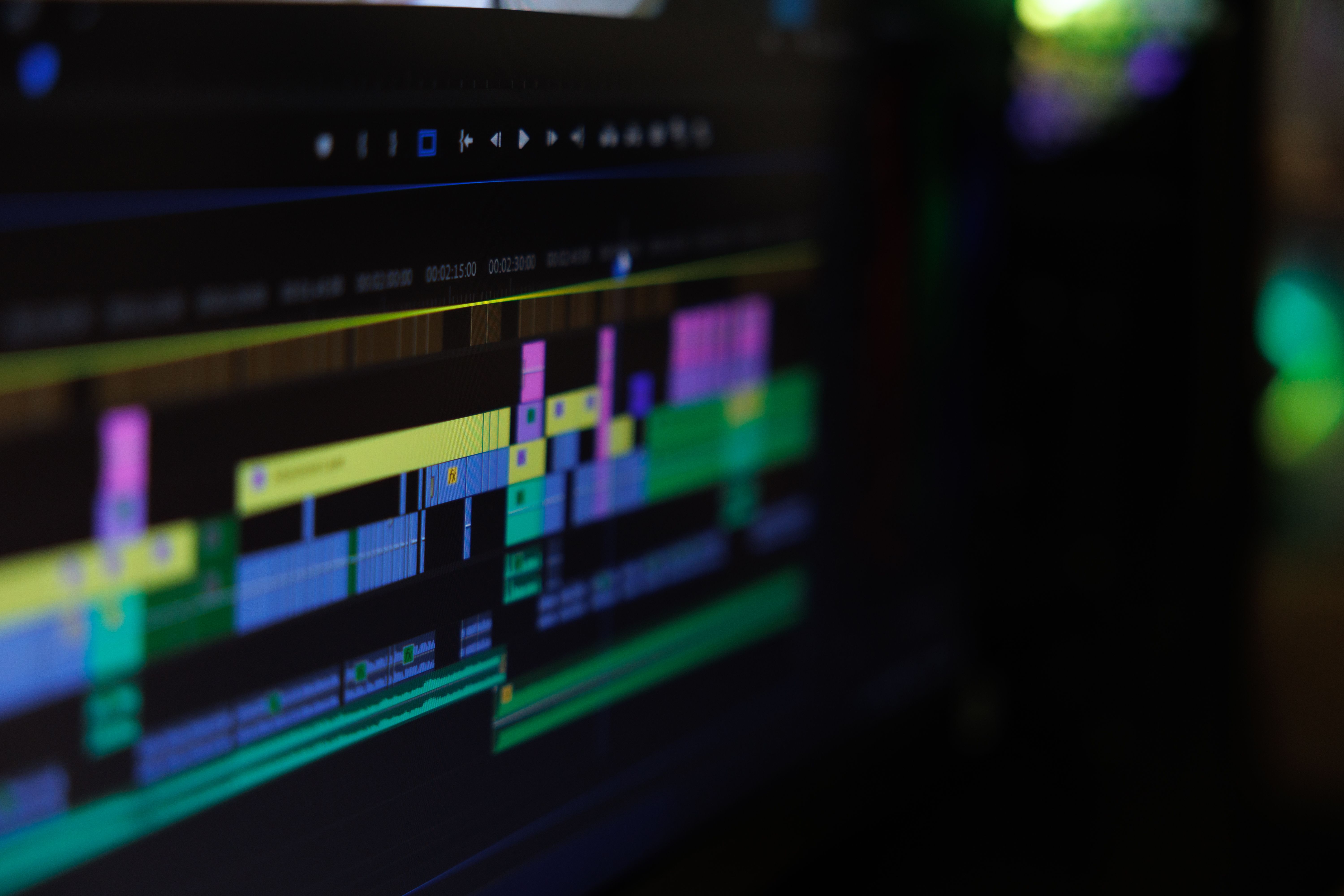
Once you've captured your footage, the next step is editing. Use video editing software like Adobe Premiere Pro or Final Cut Pro to enhance your clips. Pay attention to color grading, stabilization, and music selection to create a polished final product.
Adding Special Effects
Consider adding special effects for a more dynamic visual experience. Slow-motion, time-lapse, or even virtual reality elements can transform your project and captivate your audience.
Legal and Safety Considerations
Drone filming is subject to various legal and safety regulations. Ensure you are familiar with the rules in your area, including obtaining necessary permits and respecting privacy laws. Additionally, prioritize safety by maintaining line of sight and avoiding restricted areas.
By following this guide, you'll be well on your way to capturing stunning drone footage that enhances your storytelling and engages your audience. Happy filming!