
The Role of Drones in Cinematic Storytelling: Transforming Visual Narratives


Introduction to Drones in Cinematic Storytelling
The advent of drone technology has revolutionized the film industry, offering filmmakers innovative ways to capture breathtaking visuals. Drones have transformed cinematic storytelling, allowing for dynamic shots that were previously costly or impossible to achieve. With drones, filmmakers can now explore new perspectives, enhancing the visual narrative of their stories.

Enhancing Aerial Cinematography
One of the most significant contributions of drones to filmmaking is their ability to capture stunning aerial shots. Unlike traditional methods that require helicopters or cranes, drones provide a more affordable and flexible alternative. Filmmakers can now easily achieve sweeping landscapes and intricate chase scenes that add depth and drama to their narratives.
Drones offer unparalleled maneuverability, allowing directors to execute complex shots with precision. This capability opens up new possibilities for storytelling, where the camera becomes a character in its own right, guiding the audience through the plot with fluidity and grace.
Improving Accessibility and Efficiency
Drones have democratized filmmaking by making high-quality aerial cinematography accessible to independent filmmakers and small studios. The cost-effective nature of drones means that even those with limited budgets can incorporate aerial shots into their projects, leveling the playing field in the industry.
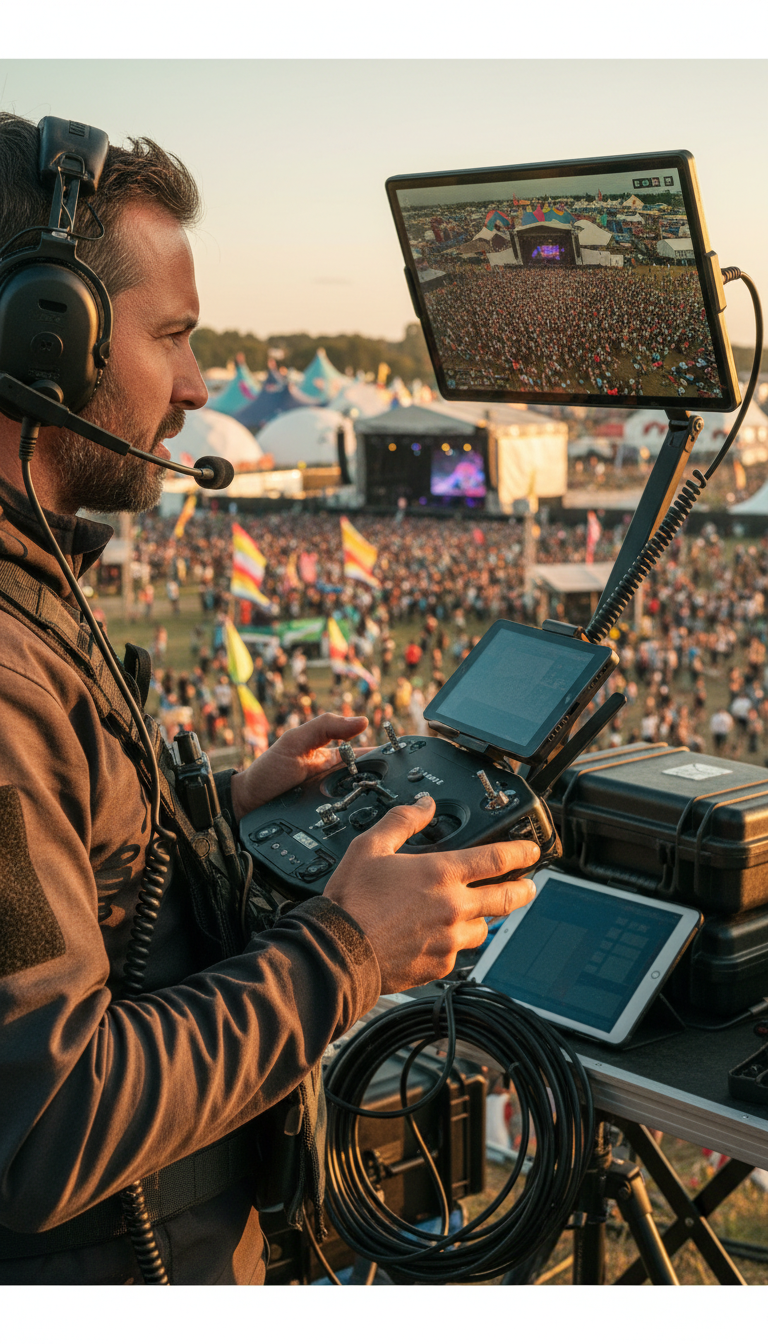
Moreover, drones streamline production processes, reducing the time and manpower required for set-up. This efficiency allows filmmakers to focus more on creativity and less on logistical constraints, resulting in more innovative and polished productions.
Creative Storytelling Opportunities
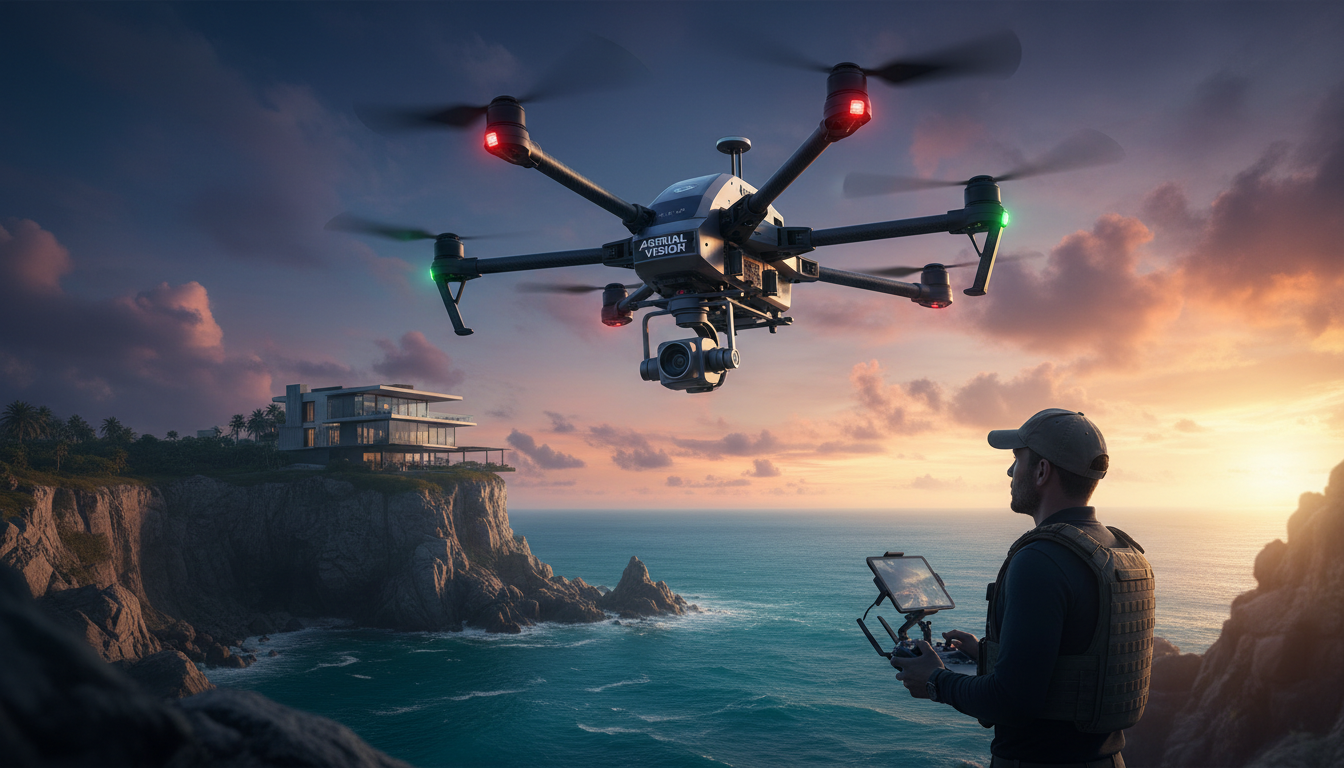
Beyond technical advantages, drones offer creative storytelling opportunities that were previously unimaginable. Filmmakers can experiment with unique angles and perspectives, creating immersive experiences that draw audiences deeper into the story. Drones can capture the vastness of an environment or the intimacy of a close-up, providing a versatile tool for visual storytelling.
- Establishing dramatic settings
- Creating seamless transitions
- Enhancing emotional impact
Challenges and Considerations
While drones offer numerous benefits, they also present challenges that filmmakers must consider. Navigating regulations and ensuring safety are paramount, as drone usage is subject to strict guidelines in many regions. Filmmakers must also be mindful of the environmental impact and ethical considerations when using drones in sensitive areas.
Additionally, mastering drone operation requires skill and practice. Directors and cinematographers need to understand the technical aspects of drone flight to maximize their storytelling potential, ensuring that their creative vision is effectively translated on screen.
Conclusion
Drones have undeniably transformed cinematic storytelling, providing filmmakers with a powerful tool to enhance their visual narratives. As technology continues to evolve, the role of drones in the film industry is likely to expand, offering even more possibilities for innovation and creativity. By embracing this technology, filmmakers can craft compelling stories that captivate and inspire audiences worldwide.